• SUBSTATIONU Learning Center

    Online training for the electrical industry

    Self-paced courses on electrical testing, maintenance, power systems and safety, written by experienced electrical professionals.

    Go to my courses Browse courses

Available courses

PR-401: Protection Design Review and Coordination Studies: The Field Perspective. This self-paced class covers how protection engineers build coordination studies, what a field reviewer should check in a study, coordination time intervals, infeed and outfeed effects, and how to report study comments. It is 1.0 contact hour (exam time not included) in the SubstationU.com Protective Relaying Series, Expert Protective Relaying (Level 4 Course).

Read the lesson book, then pass the 30-question quiz with 80% (24 of 30) or better; you can retake the quiz as many times as you need until you pass.

Class 1 of 8 in the Level 4 series, Expert Protective Relaying (PR-401 to PR-408). Recommended order: PR-401 through PR-409; classes may be taken in any order. Level 3 (PR-301 to PR-309) is recommended preparation.

PR-402: Relay Setting Verification and Settings Audits. This self-paced class covers auditing relay settings against issued revisions, as-found and as-left records, checking logic and output mapping, settings compare tools, and managing the settings lifecycle. It is 1.0 contact hour (exam time not included) in the SubstationU.com Protective Relaying Series, Expert Protective Relaying (Level 4 Course).

Read the lesson book, then pass the 30-question quiz with 80% (24 of 30) or better; you can retake the quiz as many times as you need until you pass.

Class 2 of 8 in the Level 4 series, Expert Protective Relaying (PR-401 to PR-408). Recommended order: PR-401 through PR-409; classes may be taken in any order. Level 3 (PR-301 to PR-309) is recommended preparation.
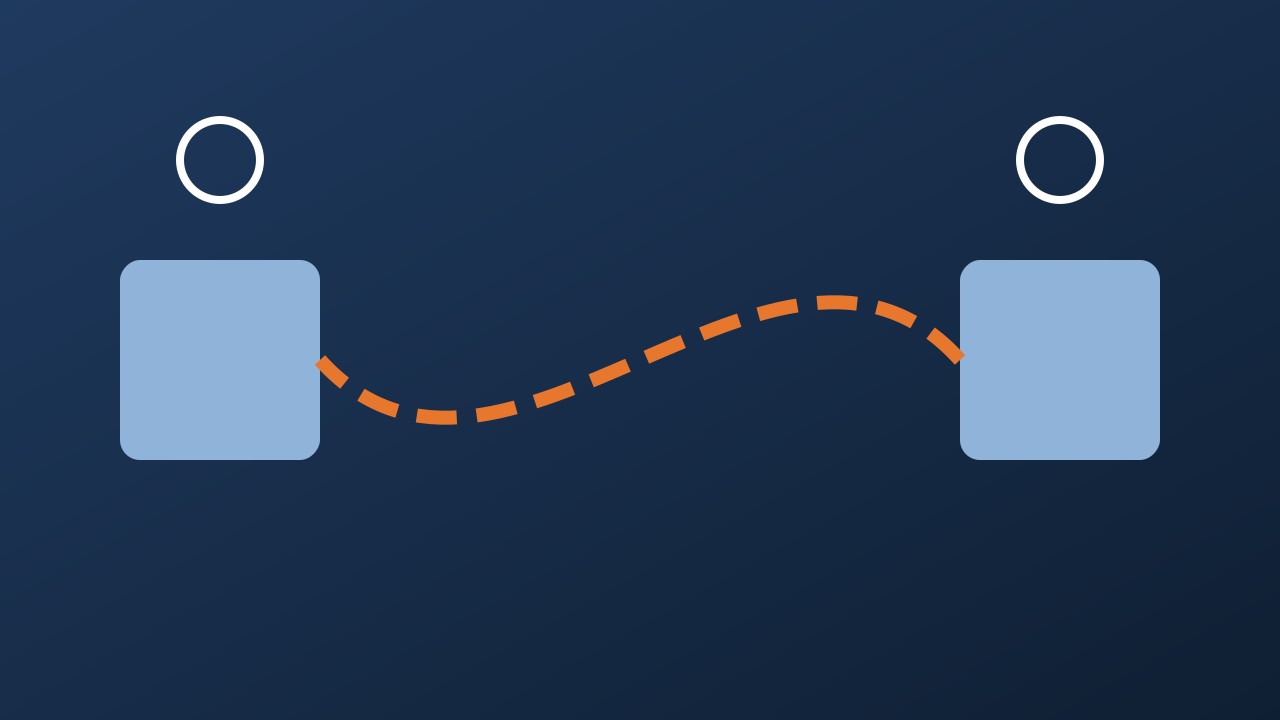
PR-403: Line Current Differential and Advanced Line Protection Subtleties. This self-paced class covers line current differential principles, the alpha plane, channel timing and asymmetry, charging current, tapped and series-compensated lines, and other line protection subtleties. It is 1.0 contact hour (exam time not included) in the SubstationU.com Protective Relaying Series, Expert Protective Relaying (Level 4 Course).

Read the lesson book, then pass the 30-question quiz with 80% (24 of 30) or better; you can retake the quiz as many times as you need until you pass.

Class 3 of 8 in the Level 4 series, Expert Protective Relaying (PR-401 to PR-408). Recommended order: PR-401 through PR-409; classes may be taken in any order. Level 3 (PR-301 to PR-309) is recommended preparation.
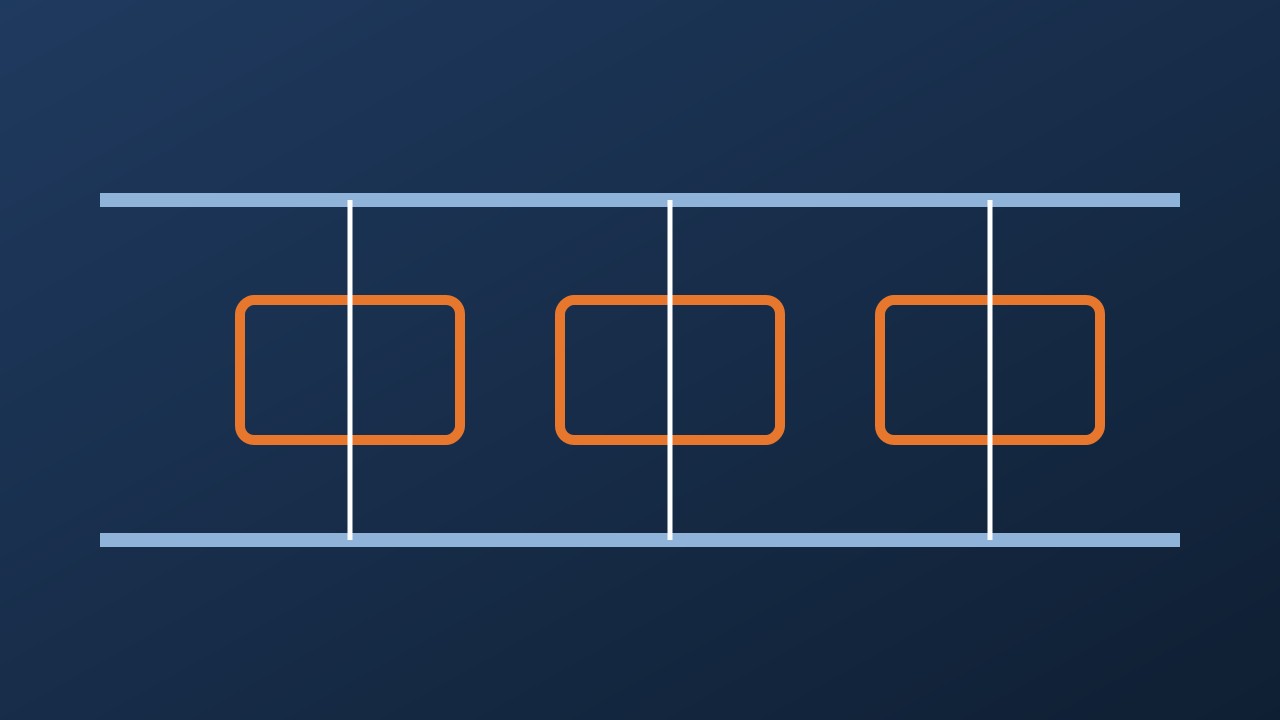
PR-404: Advanced Transformer and Generator Protection Analysis. This self-paced class covers sympathetic inrush, overexcitation, restricted earth fault, autotransformers and phase shifters, 100% stator ground, inadvertent energisation, loss of field, and coordinating generator protection with controls. It is 1.0 contact hour (exam time not included) in the SubstationU.com Protective Relaying Series, Expert Protective Relaying (Level 4 Course).

Read the lesson book, then pass the 30-question quiz with 80% (24 of 30) or better; you can retake the quiz as many times as you need until you pass.

Class 4 of 8 in the Level 4 series, Expert Protective Relaying (PR-401 to PR-408). Recommended order: PR-401 through PR-409; classes may be taken in any order. Level 3 (PR-301 to PR-309) is recommended preparation.
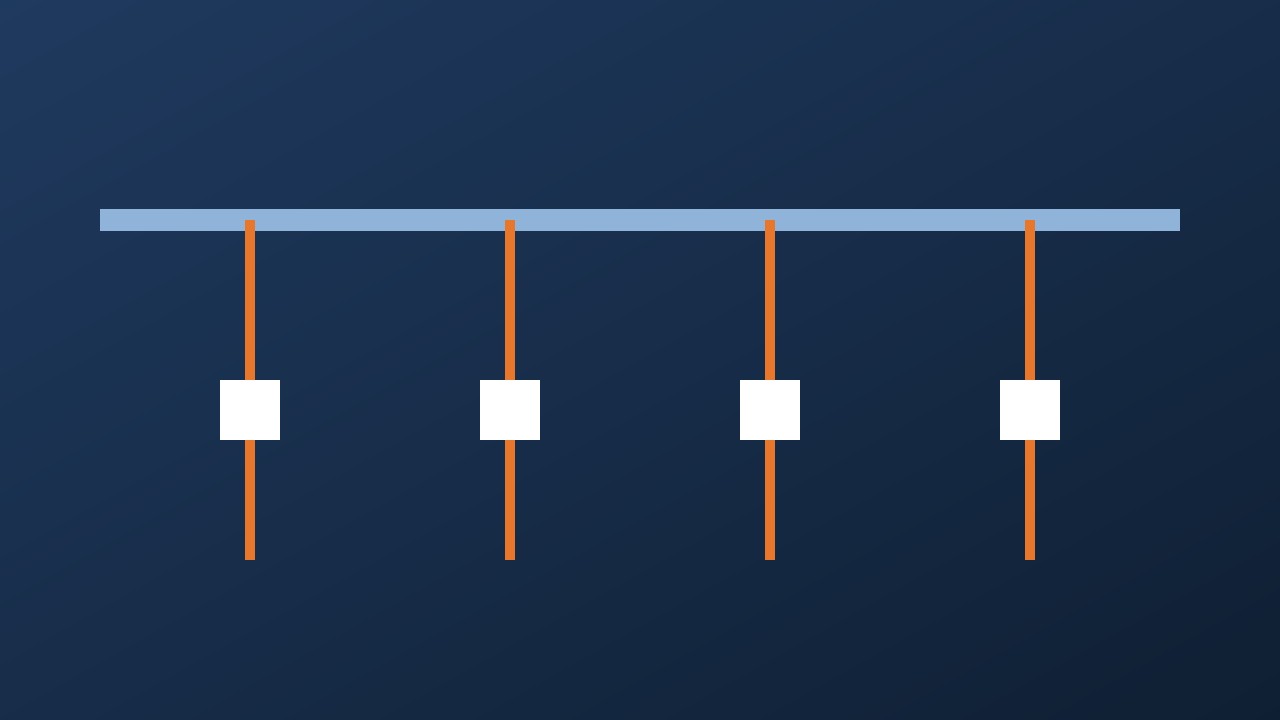
PR-405: Special Protection Schemes (SPS/RAS), Synchrophasors and High-Speed Protection. This self-paced class covers remedial action schemes (RAS), arming and redundancy, synchrophasors and PMUs, time synchronisation, wide-area monitoring, and high-speed travelling-wave and incremental-quantity protection. It is 1.0 contact hour (exam time not included) in the SubstationU.com Protective Relaying Series, Expert Protective Relaying (Level 4 Course).

Read the lesson book, then pass the 30-question quiz with 80% (24 of 30) or better; you can retake the quiz as many times as you need until you pass.

Class 5 of 8 in the Level 4 series, Expert Protective Relaying (PR-401 to PR-408). Recommended order: PR-401 through PR-409; classes may be taken in any order. Level 3 (PR-301 to PR-309) is recommended preparation.
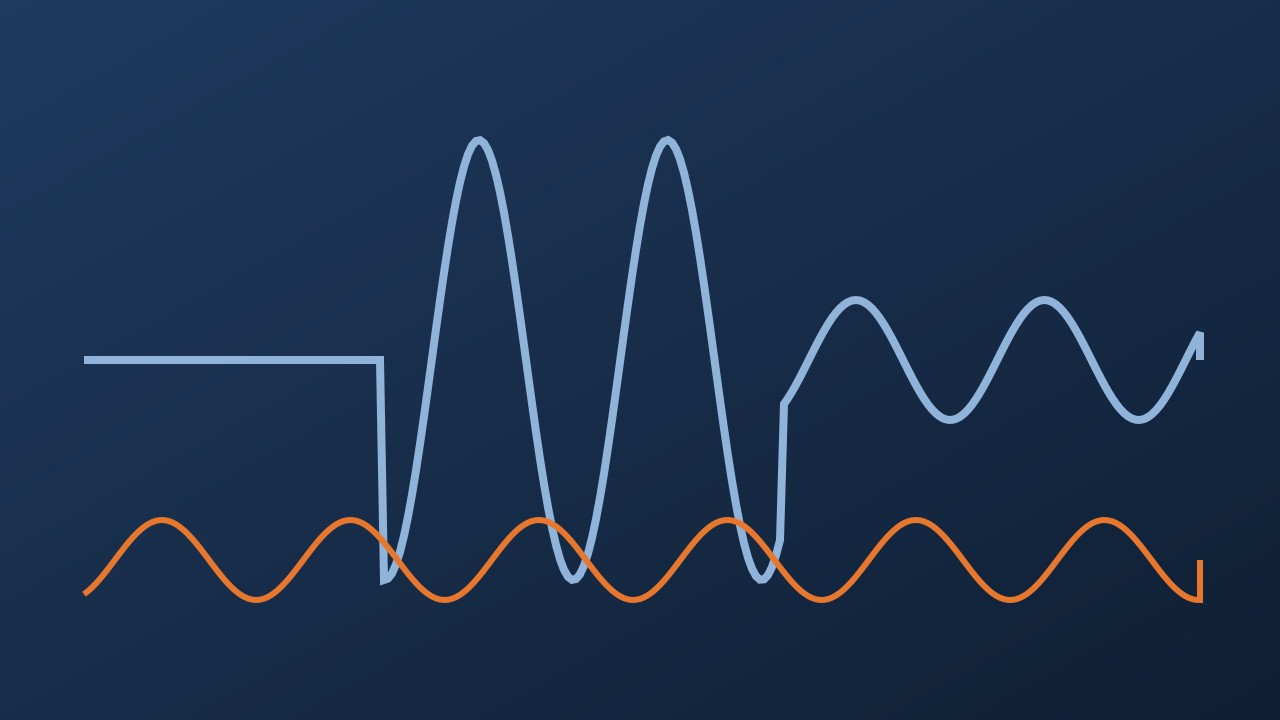
PR-406: Misoperation Investigation and Root Cause Analysis (NERC PRC-004 Concepts). This self-paced class covers classifying misoperations, preserving evidence and building a timeline, five whys and fishbone root cause methods, common causes, human performance tools, and corrective action plans. It is 1.0 contact hour (exam time not included) in the SubstationU.com Protective Relaying Series, Expert Protective Relaying (Level 4 Course).

Read the lesson book, then pass the 30-question quiz with 80% (24 of 30) or better; you can retake the quiz as many times as you need until you pass.

Class 6 of 8 in the Level 4 series, Expert Protective Relaying (PR-401 to PR-408). Recommended order: PR-401 through PR-409; classes may be taken in any order. Level 3 (PR-301 to PR-309) is recommended preparation.
PR-407: Maintenance Programs (PRC-005 Concepts), Commissioning Strategy and Leading Test Teams. This self-paced class covers time-, performance- and condition-based maintenance, protection system components and evidence, what self-monitoring covers, staged commissioning, leading test teams, and using metrics to improve. It is 1.0 contact hour (exam time not included) in the SubstationU.com Protective Relaying Series, Expert Protective Relaying (Level 4 Course).

Read the lesson book, then pass the 30-question quiz with 80% (24 of 30) or better; you can retake the quiz as many times as you need until you pass.

Class 7 of 8 in the Level 4 series, Expert Protective Relaying (PR-401 to PR-408). Recommended order: PR-401 through PR-409; classes may be taken in any order. Level 3 (PR-301 to PR-309) is recommended preparation.

PR-408: Cybersecurity, Firmware and Settings Management, and Test Automation. This self-paced class covers protection cybersecurity, secure relay access and logging, firmware updates, settings version control, automated test plans, and controlling laptops and removable media. It is 1.0 contact hour (exam time not included) in the SubstationU.com Protective Relaying Series, Expert Protective Relaying (Level 4 Course).

Read the lesson book, then pass the 30-question quiz with 80% (24 of 30) or better; you can retake the quiz as many times as you need until you pass.

Class 8 of 8 in the Level 4 series, Expert Protective Relaying (PR-401 to PR-408). Recommended order: PR-401 through PR-409; classes may be taken in any order. Level 3 (PR-301 to PR-309) is recommended preparation.
PR-409: Expert Protective Relaying: Comprehensive Review is an optional 40-question review covering all eight Level 4 classes, including a short "investigating a line misoperation" scenario set. You need 80% (32 of 40) to pass, and you can retake the quiz as many times as you need until you pass.

The questions are new or reworded items based on the class question banks. This review does not count toward NETA CTD contact hours.

Optional review for the Level 4 series, Expert Protective Relaying (PR-401 to PR-408). Recommended order: PR-401 through PR-409; classes may be taken in any order. Level 3 (PR-301 to PR-309) is recommended preparation.

This course provides a comprehensive overview of the most common power system studies and the differences between them.

The best distribution system is one that will, cost-effectively and safely, supply adequate electric service to both present and future probable loads. This course examines selection of a system arrangement and its profound impact on the reliability and maintainability of electrical distribution.

The symbols and lines within an electrical drawing convey a language that everyone involved must understand to design, build, and troubleshoot electrical systems. In this course, we will describe several types of common electrical diagrams encountered in the field and explain their purpose.

It is the responsibility of a test technician to know which piece of test equipment to use for the task at hand and also to understand the limitations of the test equipment they are using. In this course, we will examine the most common pieces of test equipment used in the field.

This course provides a general overview of inspection and test procedures for simple residual and zero-sequence ground fault protection systems.

Year One provides the foundation for safe and effective electrical testing work. Apprentices begin by learning the safety principles, hazard recognition, and work practices required to perform testing responsibly. From there, the course introduces the fundamentals of electricity, electrical calculations, and AC/DC circuit behavior to build core technical understanding. The year then progresses into basic testing methods, including insulation, resistance, thermographic, and current testing, before finishing with system diagrams, symbols, and introductory system analysis. By the end of the first year, the apprentice should have a stronger understanding of how to work safely, how electrical systems behave, and how core testing methods are used in the field.

Intro to Protective Relaying: Comprehensive Review is an optional 40-question review covering all eight Level 1 classes, taken after you finish them. You need 80% (32 of 40) to pass, and you can retake the quiz as many times as you need until you pass.

The questions are drawn from the class question banks. This review does not count toward NETA CTD contact hours.

Series: This is part of the Protective Relaying series (Level 1: PR-101 to PR-109). Recommended order is PR-101 through PR-109, but the classes may be taken in any order. Level 2, Intermediate Protective Relaying (PR-201 and up), follows.

Class 8 of 8: Relay Testing Basics: Acceptance and Maintenance. This self-paced class covers ATS versus MTS, ATS-2025 7.9.1/7.9.2 inspections and electrical tests, secondary injection test sets and calibration, evaluating results, functional trip and in-service checks, and documentation. It is 1.0 NETA contact hour (exam time not included) in the SubstationU.com Protective Relaying Series, Level 1.

Read the lesson book, then pass the 30-question quiz with 80% (24 of 30) or better; you can retake the quiz as many times as you need until you pass. Each of the eight classes is a separate course, and the recommended order is Class 1 to Class 8.

Series: This is part of the Protective Relaying series (Level 1: PR-101 to PR-109). Recommended order is PR-101 through PR-109, but the classes may be taken in any order. Level 2, Intermediate Protective Relaying (PR-201 and up), follows.

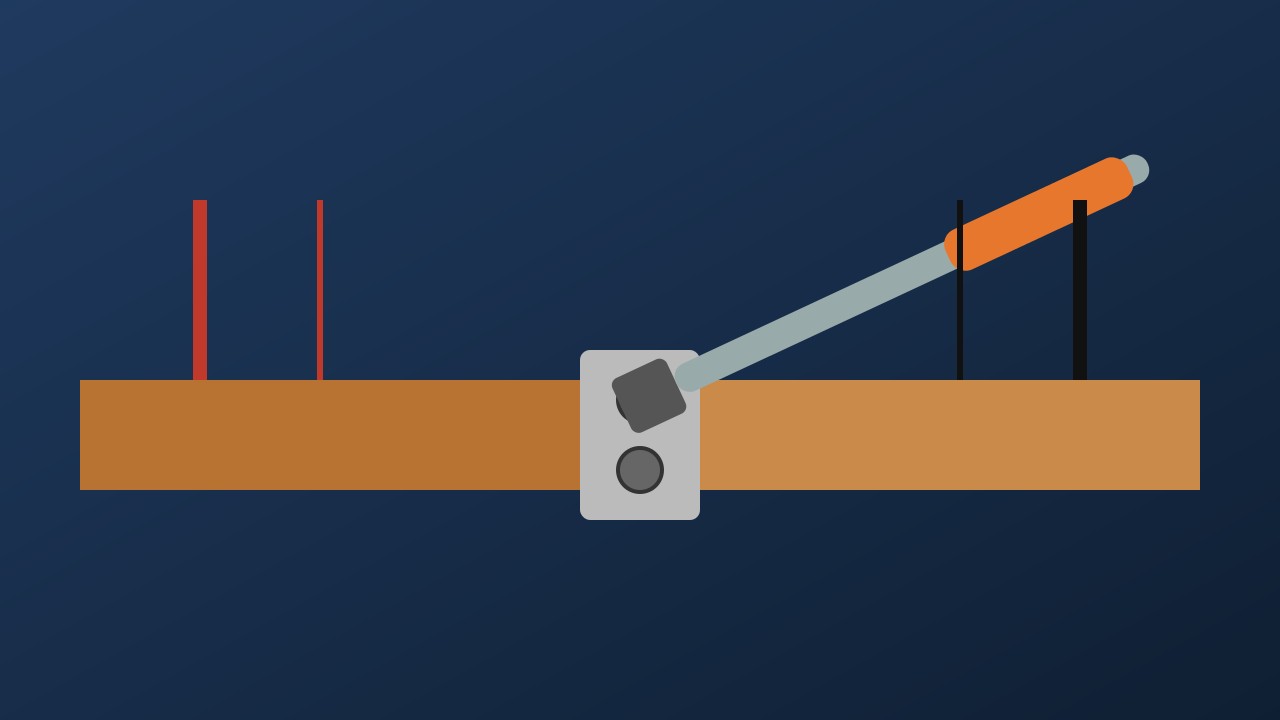
Class 7 of 8: Safe Isolation for Relay Work. This self-paced class covers relay-work hazards, NFPA 70E job planning, the test switch isolation sequence, CT shorting, VT backfeed prevention, secondary injection safety, and restoration to service. It is 1.0 NETA contact hour (exam time not included) in the SubstationU.com Protective Relaying Series, Level 1.

Read the lesson book, then pass the 30-question quiz with 80% (24 of 30) or better; you can retake the quiz as many times as you need until you pass. Each of the eight classes is a separate course, and the recommended order is Class 1 to Class 8.

Series: This is part of the Protective Relaying series (Level 1: PR-101 to PR-109). Recommended order is PR-101 through PR-109, but the classes may be taken in any order. Level 2, Intermediate Protective Relaying (PR-201 and up), follows.

Class 6 of 8: DC Control and Trip Circuits, Lockout (86) and Breaker Failure (50BF). This self-paced class covers station DC systems, breaker trip and close circuits, 52a/52b, anti-pump, indicating lights, trip circuit supervision, 86 lockout and 50BF breaker failure, and DC elementary troubleshooting. It is 1.0 NETA contact hour (exam time not included) in the SubstationU.com Protective Relaying Series, Level 1.

Read the lesson book, then pass the 30-question quiz with 80% (24 of 30) or better; you can retake the quiz as many times as you need until you pass. Each of the eight classes is a separate course, and the recommended order is Class 1 to Class 8.

Series: This is part of the Protective Relaying series (Level 1: PR-101 to PR-109). Recommended order is PR-101 through PR-109, but the classes may be taken in any order. Level 2, Intermediate Protective Relaying (PR-201 and up), follows.

Class 5 of 8: Introduction to Differential, Distance, Directional, Voltage and Frequency Protection. This self-paced class covers differential (87) with slope and harmonic restraint, distance (21) zones, directional (67/32), voltage (27/59/47/60) and frequency (81) protection, and what technicians check for each. It is 1.0 NETA contact hour (exam time not included) in the SubstationU.com Protective Relaying Series, Level 1.

Read the lesson book, then pass the 30-question quiz with 80% (24 of 30) or better; you can retake the quiz as many times as you need until you pass. Each of the eight classes is a separate course, and the recommended order is Class 1 to Class 8.

Series: This is part of the Protective Relaying series (Level 1: PR-101 to PR-109). Recommended order is PR-101 through PR-109, but the classes may be taken in any order. Level 2, Intermediate Protective Relaying (PR-201 and up), follows.

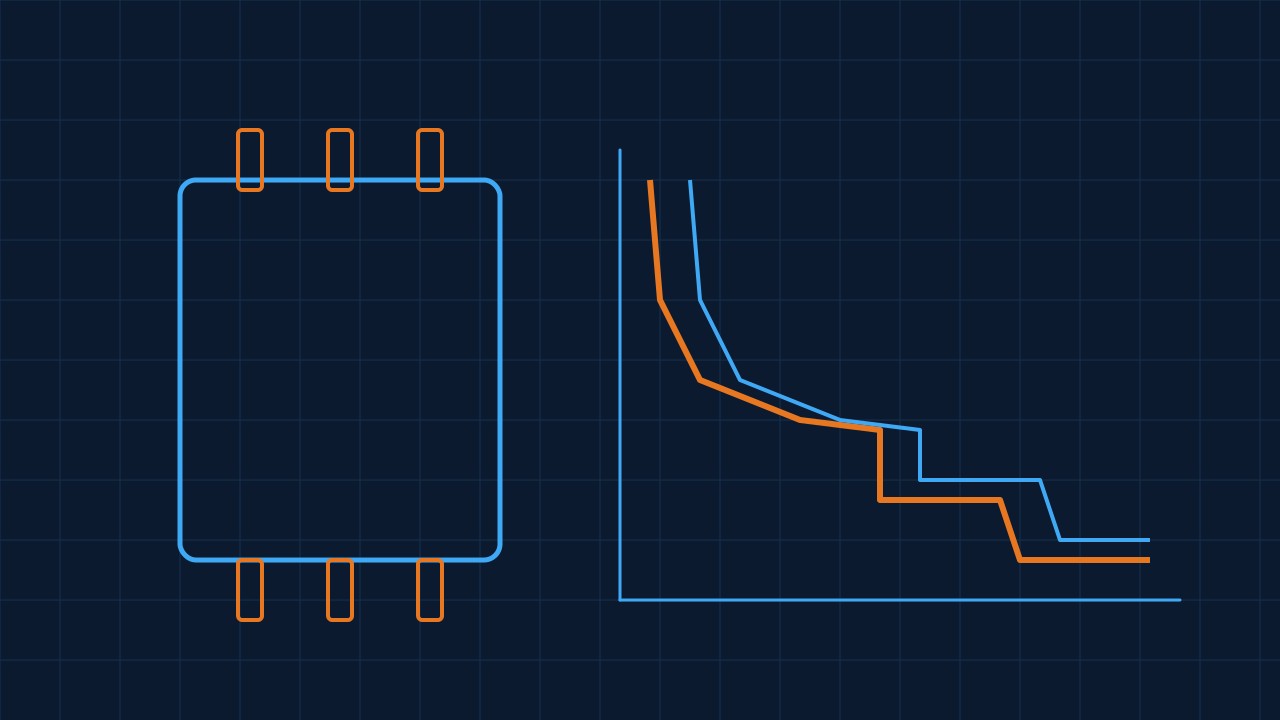
Class 4 of 8: Overcurrent Protection (50/51/50N/51N/51G) and Time-Current Curves. This self-paced class covers 50 and 51 elements, multiples of pickup, time dial, IEEE C37.112 inverse curves, 50N/51N and 50G/51G ground connections, and reading time-current curves, inrush points, damage curves and CTI. It is 1.0 NETA contact hour (exam time not included) in the SubstationU.com Protective Relaying Series, Level 1.

Read the lesson book, then pass the 30-question quiz with 80% (24 of 30) or better; you can retake the quiz as many times as you need until you pass. Each of the eight classes is a separate course, and the recommended order is Class 1 to Class 8.

Series: This is part of the Protective Relaying series (Level 1: PR-101 to PR-109). Recommended order is PR-101 through PR-109, but the classes may be taken in any order. Level 2, Intermediate Protective Relaying (PR-201 and up), follows.

Class 3 of 8: Relay Technologies and Reading Relay Documentation. This self-paced class covers electromechanical, solid-state and microprocessor relays; targets, seal-in and self-test alarms; reading one-line, three-line, DC elementary and wiring diagrams; setting sheets and secondary/primary conversion. It is 1.0 NETA contact hour (exam time not included) in the SubstationU.com Protective Relaying Series, Level 1.

Read the lesson book, then pass the 30-question quiz with 80% (24 of 30) or better; you can retake the quiz as many times as you need until you pass. Each of the eight classes is a separate course, and the recommended order is Class 1 to Class 8.

Series: This is part of the Protective Relaying series (Level 1: PR-101 to PR-109). Recommended order is PR-101 through PR-109, but the classes may be taken in any order. Level 2, Intermediate Protective Relaying (PR-201 and up), follows.

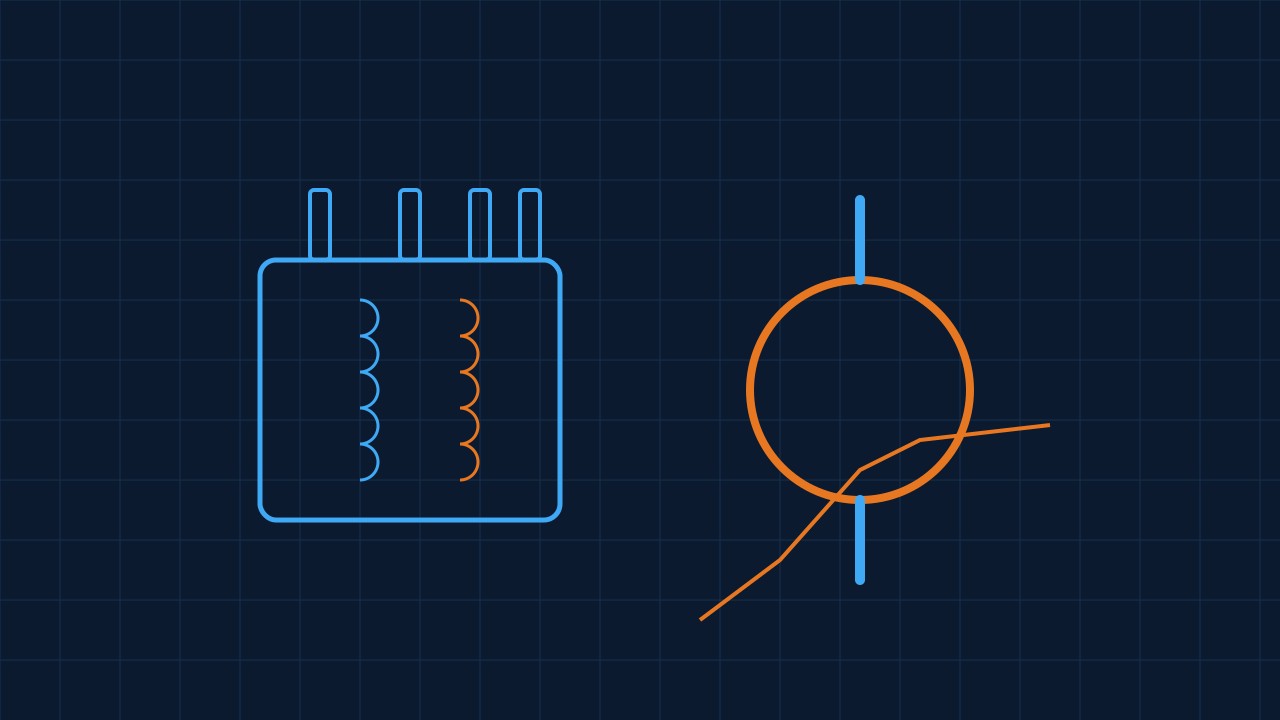
Class 2 of 8: Instrument Transformers: CTs and VTs. This self-paced class covers CT and VT ratio, polarity, burden, IEEE C57.13 accuracy classes, saturation, wye/delta/residual connections, VT connections and fusing, open-CT and shorted-VT hazards, and ATS-2025 7.10.1/7.10.2 tests. It is 1.0 NETA contact hour (exam time not included) in the SubstationU.com Protective Relaying Series, Level 1.

Read the lesson book, then pass the 30-question quiz with 80% (24 of 30) or better; you can retake the quiz as many times as you need until you pass. Each of the eight classes is a separate course, and the recommended order is Class 1 to Class 8.

Series: This is part of the Protective Relaying series (Level 1: PR-101 to PR-109). Recommended order is PR-101 through PR-109, but the classes may be taken in any order. Level 2, Intermediate Protective Relaying (PR-201 and up), follows.

Class 1 of 8: Protection Fundamentals and Device Numbers. This self-paced class covers why power systems need protection, the protection chain, zones of protection, performance attributes, fault types and fault-current estimation, and IEEE C37.2-2022 device numbers. It is 1.0 NETA contact hour (exam time not included) in the SubstationU.com Protective Relaying Series, Level 1.

Read the lesson book, then pass the 30-question quiz with 80% (24 of 30) or better; you can retake the quiz as many times as you need until you pass. Each of the eight classes is a separate course, and the recommended order is Class 1 to Class 8.

Series: This is part of the Protective Relaying series (Level 1: PR-101 to PR-109). Recommended order is PR-101 through PR-109, but the classes may be taken in any order. Level 2, Intermediate Protective Relaying (PR-201 and up), follows.

PR-209: Intermediate Protective Relaying: Comprehensive Review is an optional 40-question review covering all eight Level 2 classes. You need 80% (32 of 40) to pass, and you can retake the quiz as many times as you need until you pass.

The questions are drawn from the class question banks. This review does not count toward NETA CTD contact hours.

Optional review for the Level 2 series, Intermediate Protective Relaying (PR-201 to PR-208). Recommended order: PR-201 through PR-209; classes may be taken in any order. Level 1 (PR-101 to PR-109) is recommended preparation.
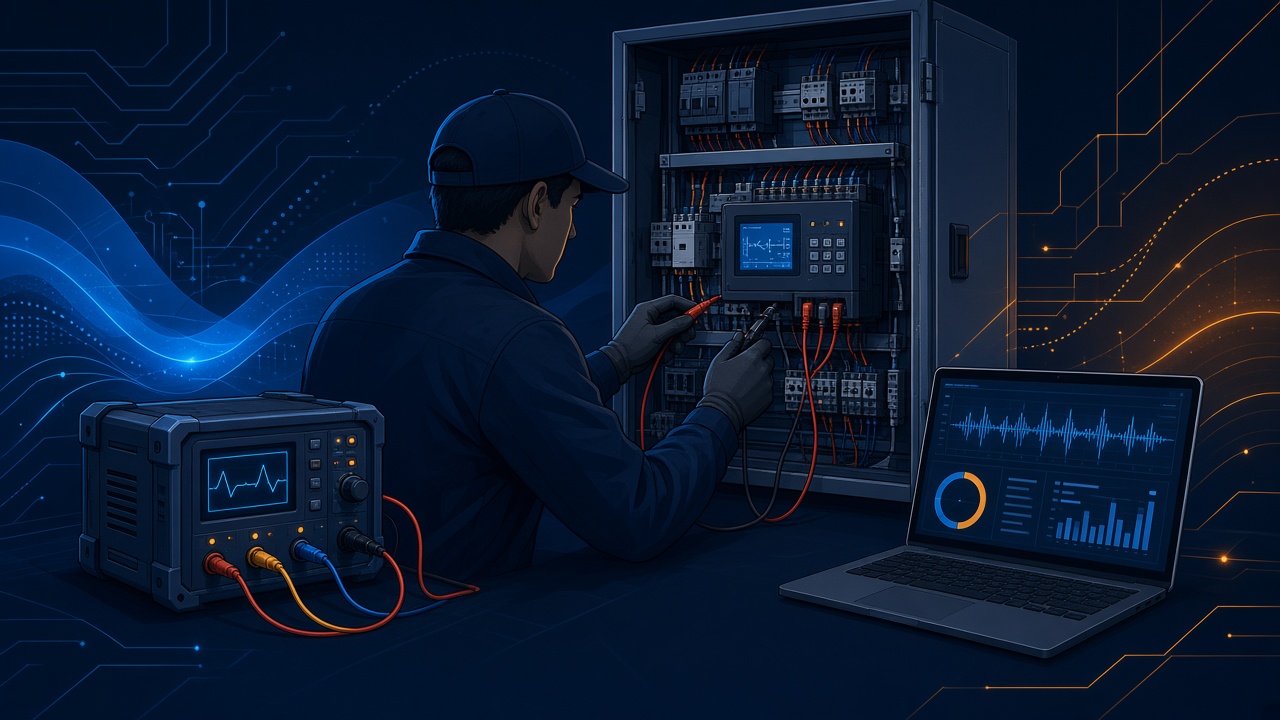
PR-208: Relay Testing and Commissioning: Secondary Injection, End-to-End Testing, IEC 61850 and Event Analysis. This self-paced class covers secondary injection calculations for overcurrent, distance and differential elements, scheme and end-to-end tests, IEC 61850 GOOSE and Sampled Values testing, and COMTRADE event analysis. It is 1.0 contact hour (exam time not included) in the SubstationU.com Protective Relaying Series, Intermediate Protective Relaying (Level 2 Course).

Read the lesson book, then pass the 30-question quiz with 80% (24 of 30) or better; you can retake the quiz as many times as you need until you pass.

Class 8 of 8 in the Level 2 series, Intermediate Protective Relaying (PR-201 to PR-208). Recommended order: PR-201 through PR-209; classes may be taken in any order. Level 1 (PR-101 to PR-109) is recommended preparation.
PR-207: Line Protection: Distance (21) Reach Settings, Pilot Schemes, Reclosing (79) and Synch Check (25). This self-paced class covers distance relay secondary impedance and zone reach calculations, k0 compensation, infeed, pilot schemes (DCB, POTT, PUTT, DCUB, DTT, 87L), reclosing dead time and 25 synchronism check. It is 1.0 contact hour (exam time not included) in the SubstationU.com Protective Relaying Series, Intermediate Protective Relaying (Level 2 Course).

Read the lesson book, then pass the 30-question quiz with 80% (24 of 30) or better; you can retake the quiz as many times as you need until you pass.

Class 7 of 8 in the Level 2 series, Intermediate Protective Relaying (PR-201 to PR-208). Recommended order: PR-201 through PR-209; classes may be taken in any order. Level 1 (PR-101 to PR-109) is recommended preparation.
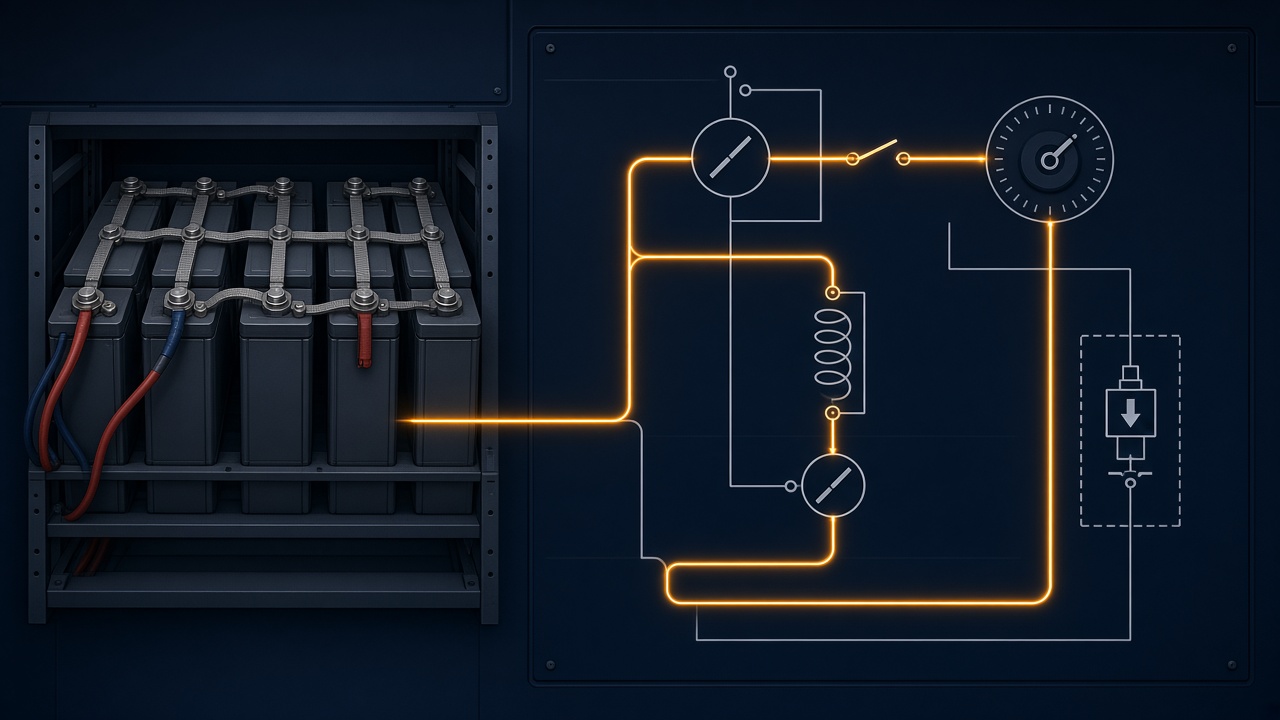
PR-206: Bus, Motor and Generator Protection. This self-paced class covers high- and low-impedance bus differential, motor protection settings, and generator protection functions with worked 59N, 32 and 46 calculations. It is 1.0 contact hour (exam time not included) in the SubstationU.com Protective Relaying Series, Intermediate Protective Relaying (Level 2 Course).

Read the lesson book, then pass the 30-question quiz with 80% (24 of 30) or better; you can retake the quiz as many times as you need until you pass.

Class 6 of 8 in the Level 2 series, Intermediate Protective Relaying (PR-201 to PR-208). Recommended order: PR-201 through PR-209; classes may be taken in any order. Level 1 (PR-101 to PR-109) is recommended preparation.
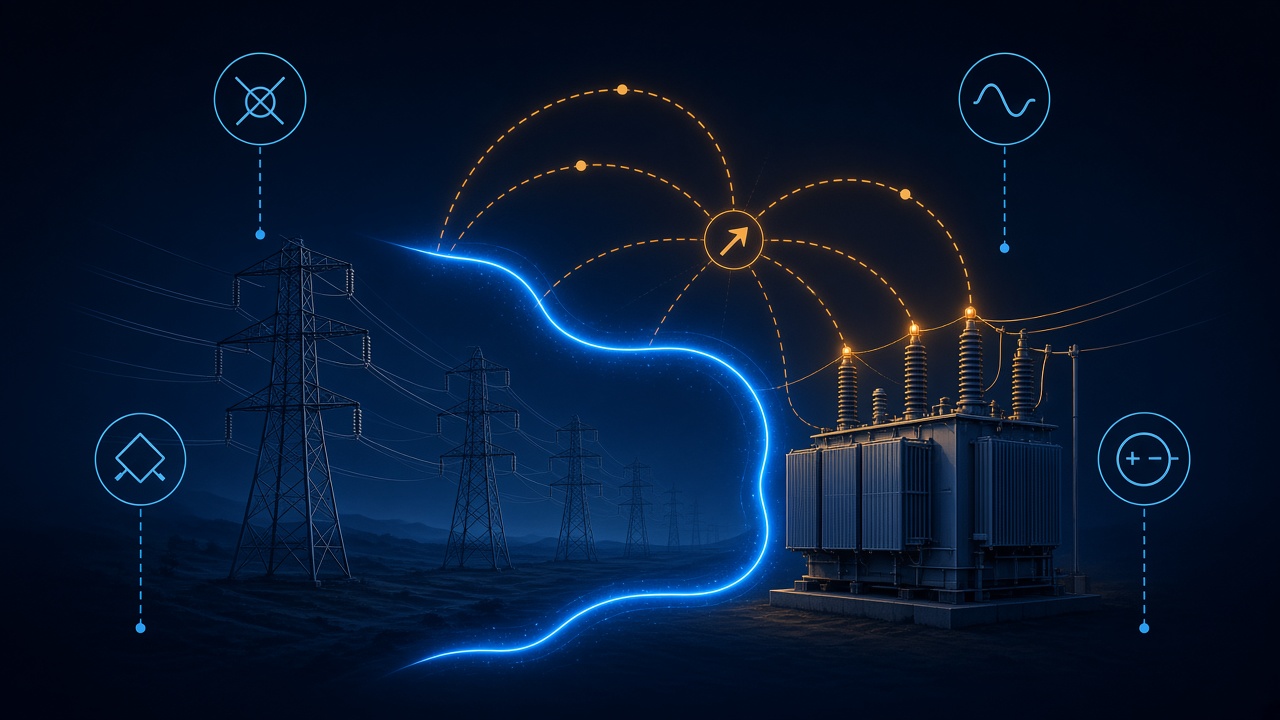
PR-205: Transformer Protection: 87T Differential, Harmonic Restraint, REF and Backup. This self-paced class covers 87T percent differential TAP calculation, phase and zero-sequence compensation, slope and minimum pickup, harmonic restraint, REF, 24 V/Hz and transformer backup protection. It is 1.0 contact hour (exam time not included) in the SubstationU.com Protective Relaying Series, Intermediate Protective Relaying (Level 2 Course).

Read the lesson book, then pass the 30-question quiz with 80% (24 of 30) or better; you can retake the quiz as many times as you need until you pass.

Class 5 of 8 in the Level 2 series, Intermediate Protective Relaying (PR-201 to PR-208). Recommended order: PR-201 through PR-209; classes may be taken in any order. Level 1 (PR-101 to PR-109) is recommended preparation.
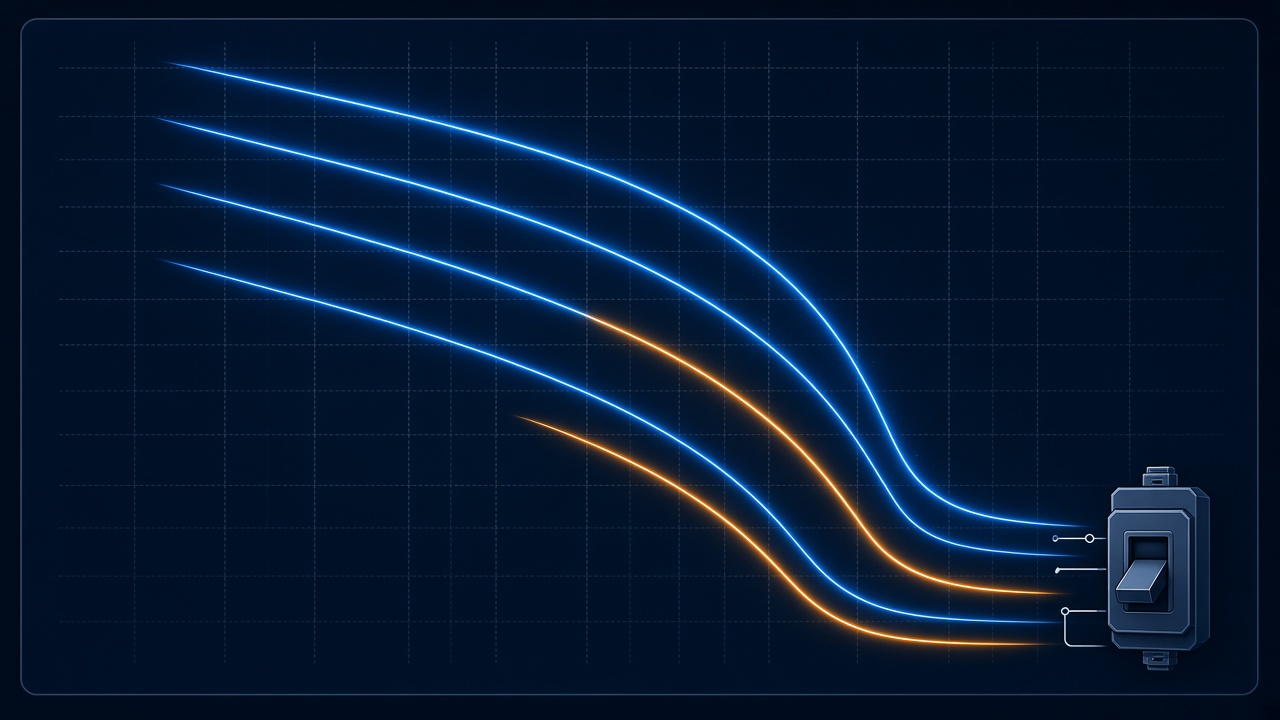
PR-204: Overcurrent Coordination: Phase and Ground (50/51/50N/51N), Fuses, Reclosers and CTI. This self-paced class covers IEEE inverse-time curve equations, a step-by-step overcurrent settings method, CTI calculation, ground overcurrent, and coordination with fuses, reclosers and transformers. It is 1.0 contact hour (exam time not included) in the SubstationU.com Protective Relaying Series, Intermediate Protective Relaying (Level 2 Course).

Read the lesson book, then pass the 30-question quiz with 80% (24 of 30) or better; you can retake the quiz as many times as you need until you pass.

Class 4 of 8 in the Level 2 series, Intermediate Protective Relaying (PR-201 to PR-208). Recommended order: PR-201 through PR-209; classes may be taken in any order. Level 1 (PR-101 to PR-109) is recommended preparation.
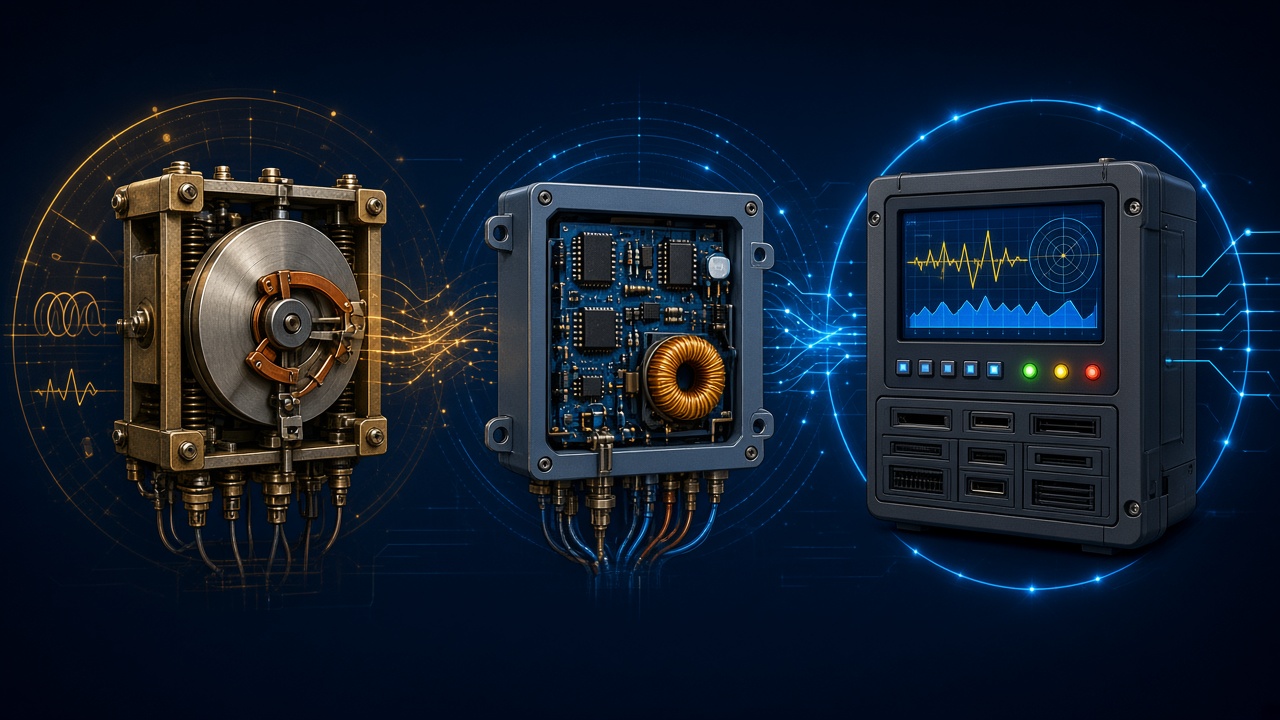
PR-203: CT Performance: Saturation, Burden, Accuracy Classes, and VT/CCVT Issues. This self-paced class covers CT excitation and saturation, burden calculations, C-class accuracy ratings, DC offset and X/R effects, remanence, and VT and CCVT performance issues for protection. It is 1.0 contact hour (exam time not included) in the SubstationU.com Protective Relaying Series, Intermediate Protective Relaying (Level 2 Course).

Read the lesson book, then pass the 30-question quiz with 80% (24 of 30) or better; you can retake the quiz as many times as you need until you pass.

Class 3 of 8 in the Level 2 series, Intermediate Protective Relaying (PR-201 to PR-208). Recommended order: PR-201 through PR-209; classes may be taken in any order. Level 1 (PR-101 to PR-109) is recommended preparation.
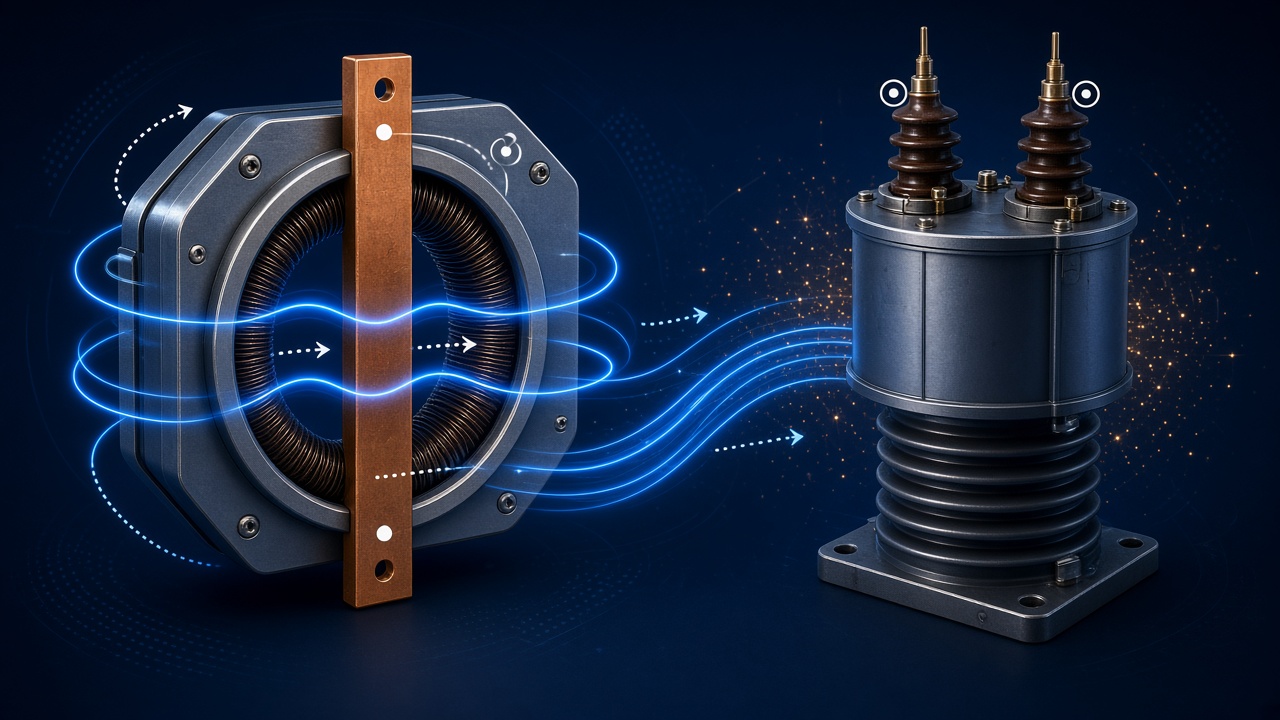
PR-202: Symmetrical Components and Fault Calculations for Relay Settings. This self-paced class covers per-unit systems, symmetrical components, sequence networks and connections, and worked calculations of three-phase, line-to-line and single line-to-ground fault currents used for relay settings. It is 1.0 contact hour (exam time not included) in the SubstationU.com Protective Relaying Series, Intermediate Protective Relaying (Level 2 Course).

Read the lesson book, then pass the 30-question quiz with 80% (24 of 30) or better; you can retake the quiz as many times as you need until you pass.

Class 2 of 8 in the Level 2 series, Intermediate Protective Relaying (PR-201 to PR-208). Recommended order: PR-201 through PR-209; classes may be taken in any order. Level 1 (PR-101 to PR-109) is recommended preparation.
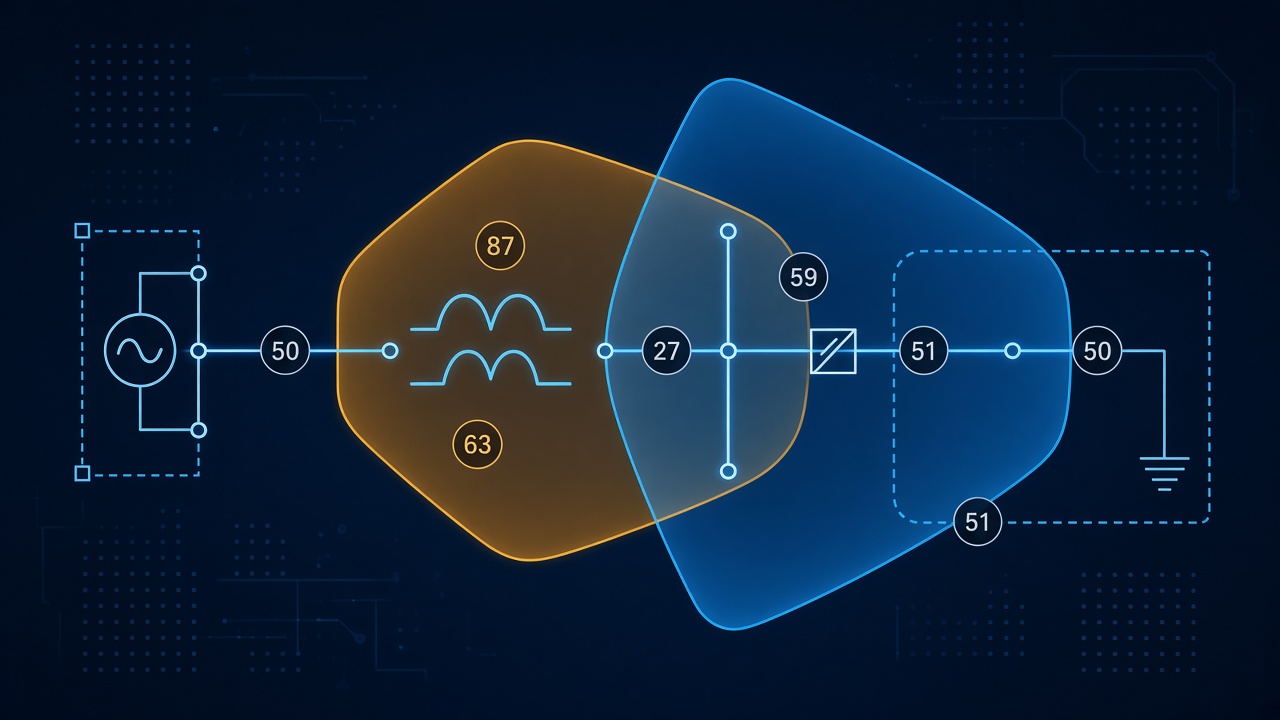
PR-201: Protection Philosophy, Zones of Protection and One-Line Review. This self-paced class covers protection philosophy (reliability, dependability, security, selectivity, speed), zone overlap and CT placement, primary and backup protection, and reading one-line and three-line diagrams to develop a settings plan. It is 1.0 contact hour (exam time not included) in the SubstationU.com Protective Relaying Series, Intermediate Protective Relaying (Level 2 Course).

Read the lesson book, then pass the 30-question quiz with 80% (24 of 30) or better; you can retake the quiz as many times as you need until you pass.

Class 1 of 8 in the Level 2 series, Intermediate Protective Relaying (PR-201 to PR-208). Recommended order: PR-201 through PR-209; classes may be taken in any order. Level 1 (PR-101 to PR-109) is recommended preparation.
PR-309: Advanced Protective Relaying: Comprehensive Review is an optional 40-question review covering all eight Level 3 classes, including a short "commissioning a new line terminal" scenario set. You need 80% (32 of 40) to pass, and you can retake the quiz as many times as you need until you pass.

The questions are new or reworded items based on the class question banks. This review does not count toward NETA CTD contact hours.

Optional review for the Level 3 series, Advanced Protective Relaying (PR-301 to PR-308). Recommended order: PR-301 through PR-309; classes may be taken in any order. Level 2 (PR-201 to PR-209) is recommended preparation.
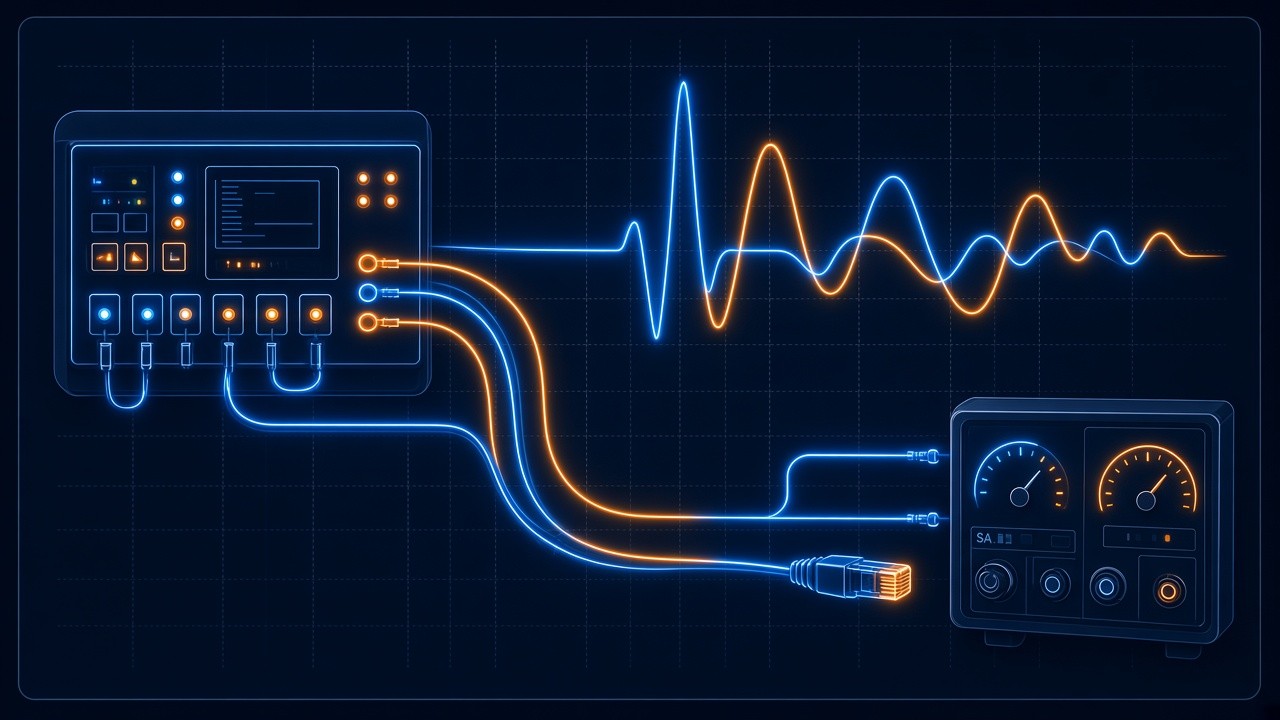
PR-308: Instrument Transformer Performance in the Field and Commissioning Documentation. This self-paced class covers CT excitation and saturation, ratio, polarity, burden and insulation tests, CCVT and VT issues, primary injection and in-service phasor checks, and the commissioning package and sign-off. It is 1.0 contact hour (exam time not included) in the SubstationU.com Protective Relaying Series, Advanced Protective Relaying (Level 3 Course).

Read the lesson book, then pass the 30-question quiz with 80% (24 of 30) or better; you can retake the quiz as many times as you need until you pass.

Class 8 of 8 in the Level 3 series, Advanced Protective Relaying (PR-301 to PR-308). Recommended order: PR-301 through PR-309; classes may be taken in any order. Level 2 (PR-201 to PR-209) is recommended preparation.
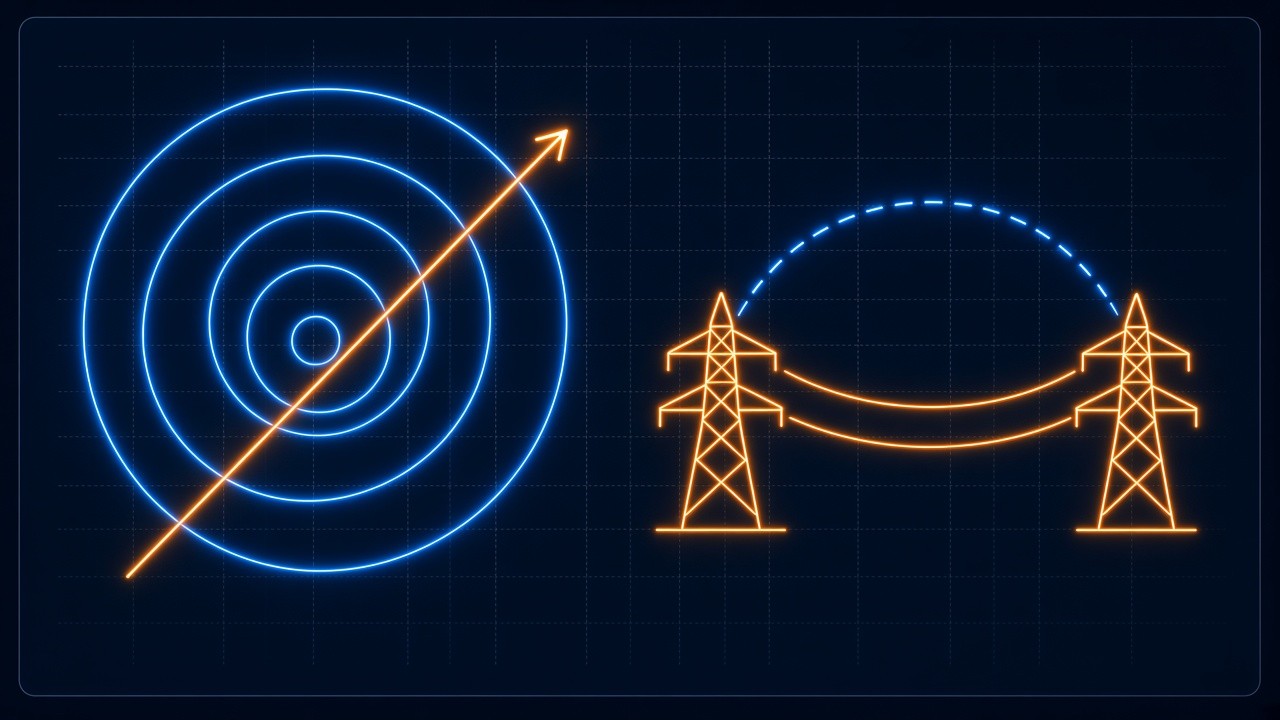
PR-307: Event and COMTRADE Analysis: Fault Records, Oscillography and Misoperations. This self-paced class covers event reports, SER and COMTRADE files, reading oscillography, identifying fault types, deciding correct operation or misoperation, playback testing and writing a root-cause report. It is 1.0 contact hour (exam time not included) in the SubstationU.com Protective Relaying Series, Advanced Protective Relaying (Level 3 Course).

Read the lesson book, then pass the 30-question quiz with 80% (24 of 30) or better; you can retake the quiz as many times as you need until you pass.

Class 7 of 8 in the Level 3 series, Advanced Protective Relaying (PR-301 to PR-308). Recommended order: PR-301 through PR-309; classes may be taken in any order. Level 2 (PR-201 to PR-209) is recommended preparation.
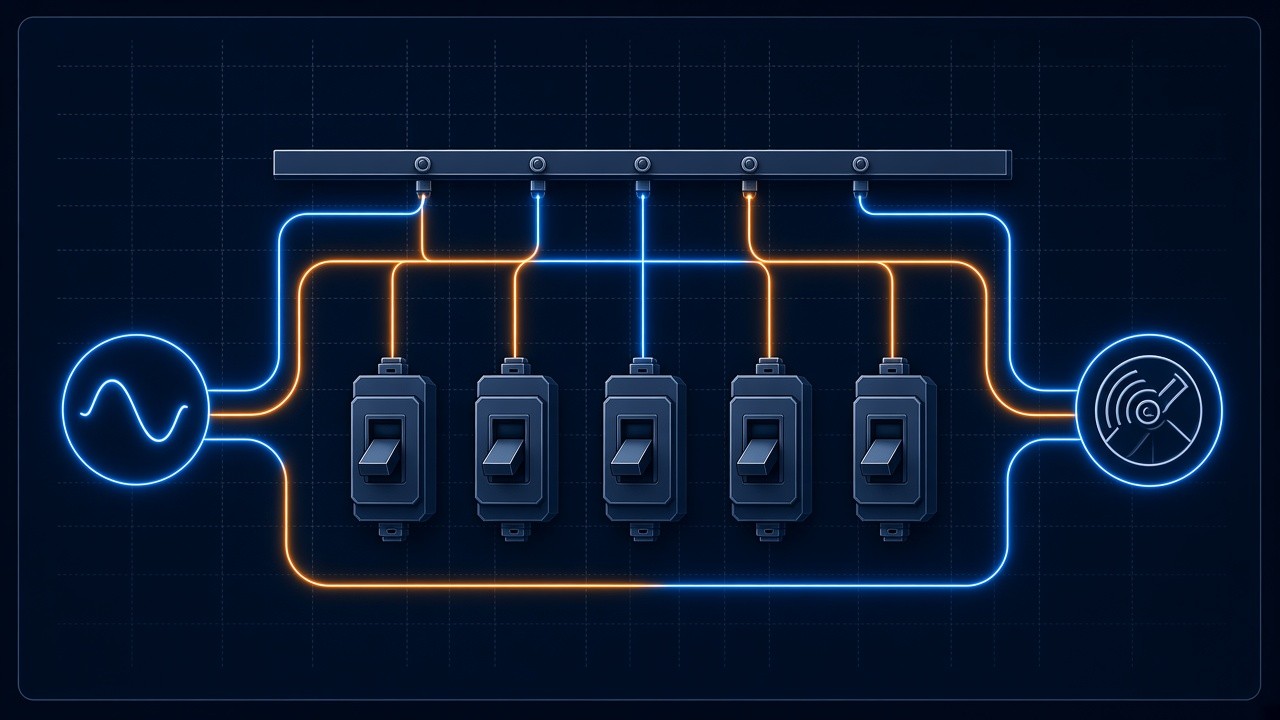
PR-306: Bus, Breaker Failure and Generator Protection Testing. This self-paced class covers bus differential (low- and high-impedance, check zone), zone selection and stability, breaker failure (50BF), and generator elements 59N, third harmonic, 40, 32, 46 and 78, plus trip-path checks. It is 1.0 contact hour (exam time not included) in the SubstationU.com Protective Relaying Series, Advanced Protective Relaying (Level 3 Course).

Read the lesson book, then pass the 30-question quiz with 80% (24 of 30) or better; you can retake the quiz as many times as you need until you pass.

Class 6 of 8 in the Level 3 series, Advanced Protective Relaying (PR-301 to PR-308). Recommended order: PR-301 through PR-309; classes may be taken in any order. Level 2 (PR-201 to PR-209) is recommended preparation.
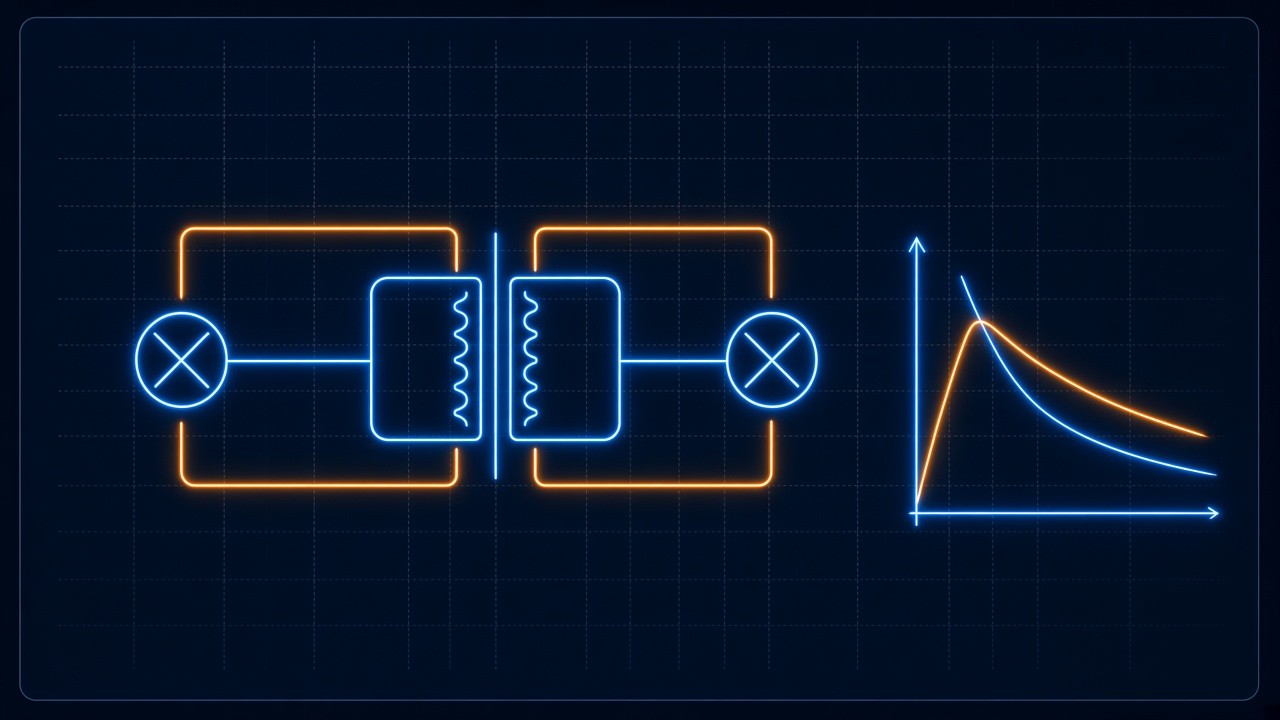
PR-305: IEC 61850 for Test Technicians: GOOSE, Sampled Values and Test Modes. This self-paced class covers IEC 61850 for test technicians: station and process bus, SCL files, GOOSE verification, test and simulation modes for virtual isolation, Sampled Values, merging units and PTP time sync. It is 1.0 contact hour (exam time not included) in the SubstationU.com Protective Relaying Series, Advanced Protective Relaying (Level 3 Course).

Read the lesson book, then pass the 30-question quiz with 80% (24 of 30) or better; you can retake the quiz as many times as you need until you pass.

Class 5 of 8 in the Level 3 series, Advanced Protective Relaying (PR-301 to PR-308). Recommended order: PR-301 through PR-309; classes may be taken in any order. Level 2 (PR-201 to PR-209) is recommended preparation.
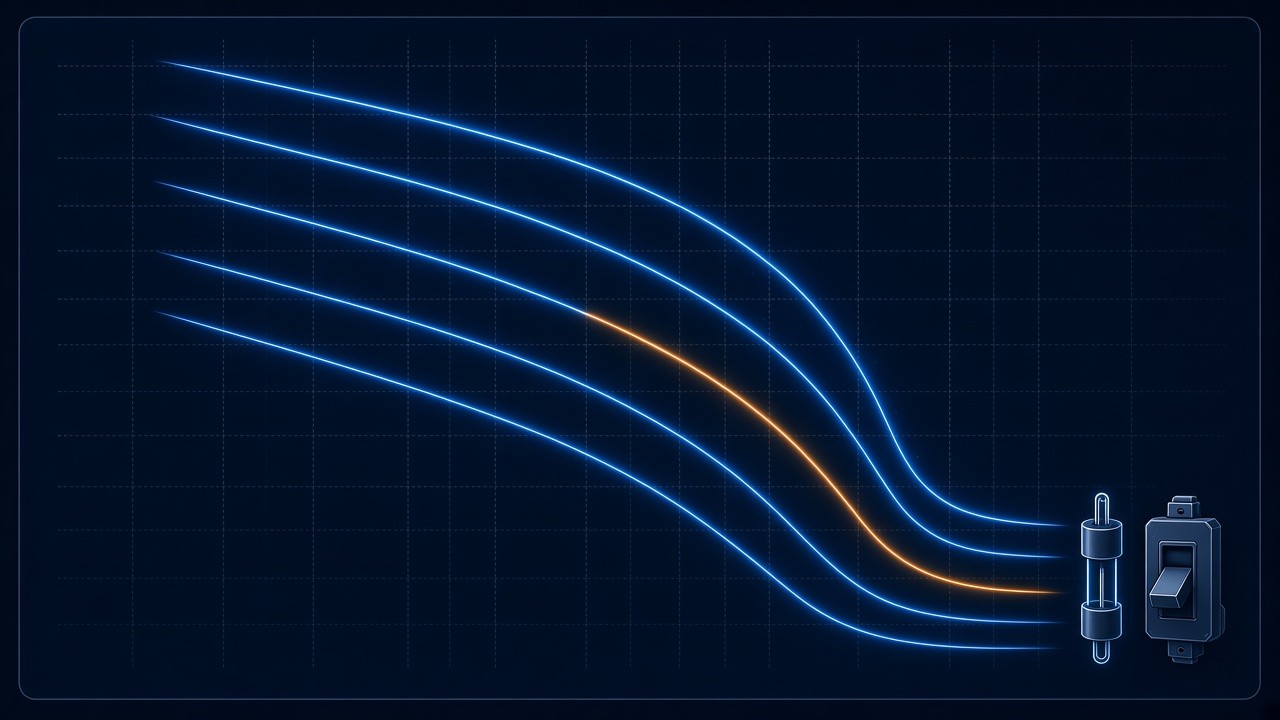
PR-304: Communications-Assisted Schemes and End-to-End Testing. This self-paced class covers communications-assisted schemes (POTT, DCB, DCUB, DTT), weak-infeed echo and current reversal guard, channels and delay, line current differential (87L), and GPS-synchronised end-to-end testing. It is 1.0 contact hour (exam time not included) in the SubstationU.com Protective Relaying Series, Advanced Protective Relaying (Level 3 Course).

Read the lesson book, then pass the 30-question quiz with 80% (24 of 30) or better; you can retake the quiz as many times as you need until you pass.

Class 4 of 8 in the Level 3 series, Advanced Protective Relaying (PR-301 to PR-308). Recommended order: PR-301 through PR-309; classes may be taken in any order. Level 2 (PR-201 to PR-209) is recommended preparation.
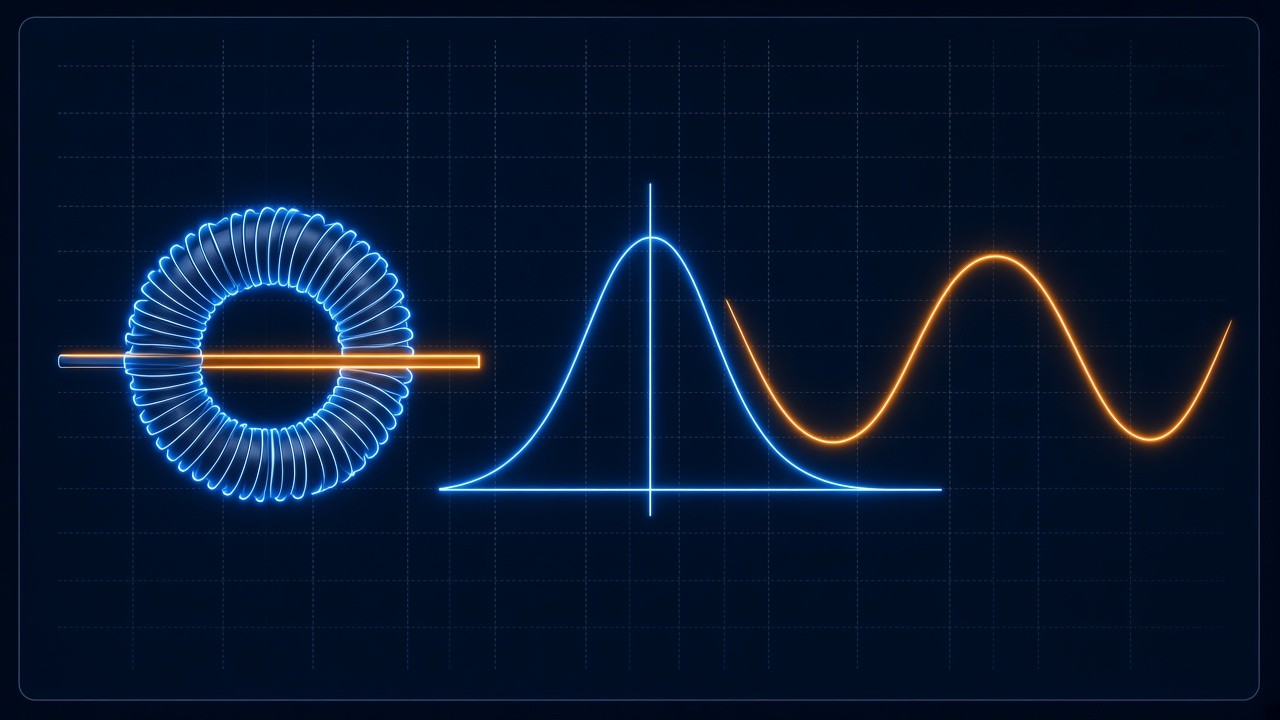
PR-303: Distance Protection Testing: Characteristics, Load Encroachment and Power Swing. This self-paced class covers distance protection testing: mho and quadrilateral characteristics, ground-zone compensation (k0), search and shot tests, zone timers, load encroachment, power-swing blocking and switch-onto-fault. It is 1.0 contact hour (exam time not included) in the SubstationU.com Protective Relaying Series, Advanced Protective Relaying (Level 3 Course).

Read the lesson book, then pass the 30-question quiz with 80% (24 of 30) or better; you can retake the quiz as many times as you need until you pass.

Class 3 of 8 in the Level 3 series, Advanced Protective Relaying (PR-301 to PR-308). Recommended order: PR-301 through PR-309; classes may be taken in any order. Level 2 (PR-201 to PR-209) is recommended preparation.
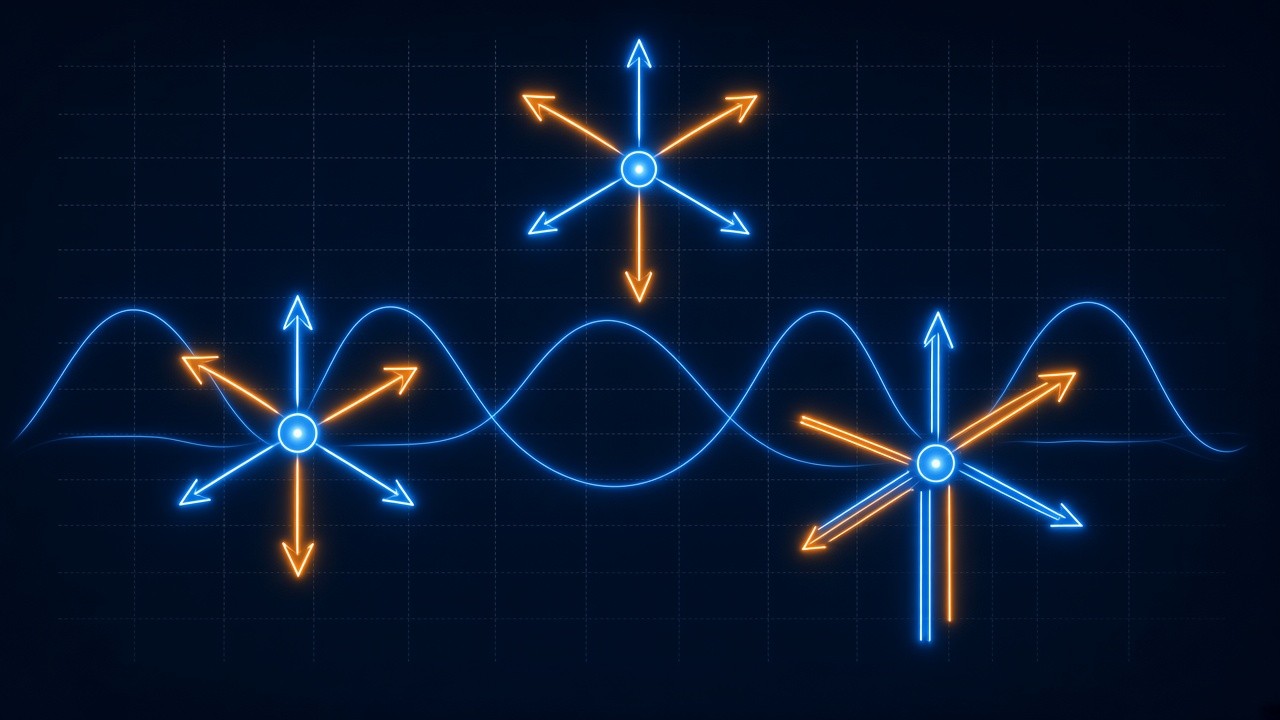
PR-302: Advanced Transformer Differential Testing (87T). This self-paced class covers 87T testing on modern relays: vector groups and compensation, TAP and mismatch, slope and minimum pickup tests, harmonic restraint, and finding common differential errors. It is 1.0 contact hour (exam time not included) in the SubstationU.com Protective Relaying Series, Advanced Protective Relaying (Level 3 Course).

Read the lesson book, then pass the 30-question quiz with 80% (24 of 30) or better; you can retake the quiz as many times as you need until you pass.

Class 2 of 8 in the Level 3 series, Advanced Protective Relaying (PR-301 to PR-308). Recommended order: PR-301 through PR-309; classes may be taken in any order. Level 2 (PR-201 to PR-209) is recommended preparation.
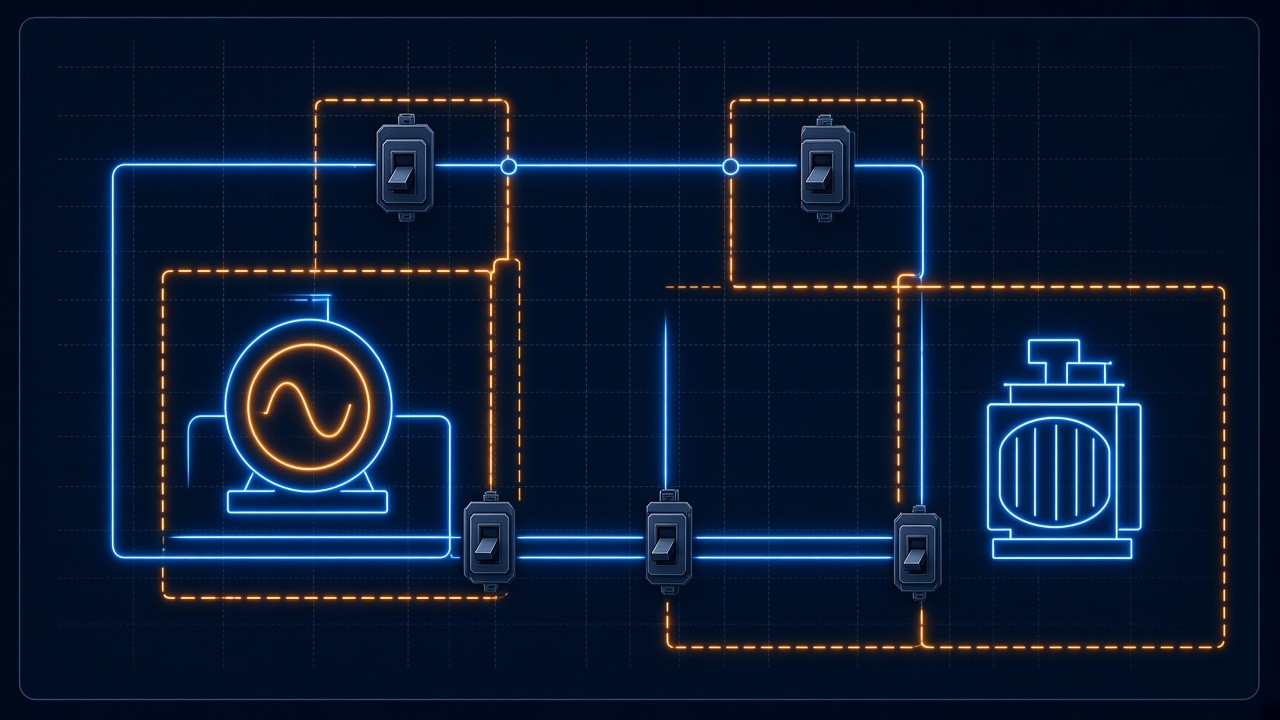
PR-301: Relay Test Planning: Reading Settings Files, Logic and Building a Test Plan. This self-paced class covers turning a settings file into a test scope, reading programmable logic and trip matrices, choosing test methods (steady state, ramp, pulse, state sequence), acceptance criteria, isolation and test switches, and writing a test plan. It is 1.0 contact hour (exam time not included) in the SubstationU.com Protective Relaying Series, Advanced Protective Relaying (Level 3 Course).

Read the lesson book, then pass the 30-question quiz with 80% (24 of 30) or better; you can retake the quiz as many times as you need until you pass.

Class 1 of 8 in the Level 3 series, Advanced Protective Relaying (PR-301 to PR-308). Recommended order: PR-301 through PR-309; classes may be taken in any order. Level 2 (PR-201 to PR-209) is recommended preparation.

TE-109: Test Equipment Comprehensive Review. A review of the whole Introduction to Electrical Test Equipment series: meters and safety, insulation testers, high-potential, VLF and partial-discharge equipment, low-resistance and torque tools, transformer and CT test sets, breaker and trip-unit test kits, relay, ground and power quality instruments, and thermography, battery and renewable testing. About 1 hour. One 40-question quiz (80% to pass, 32 of 40); retake as many times as you need. Completing it marks completion of the series.

Recommended after TE-101 through TE-108; courses may be taken in any order.

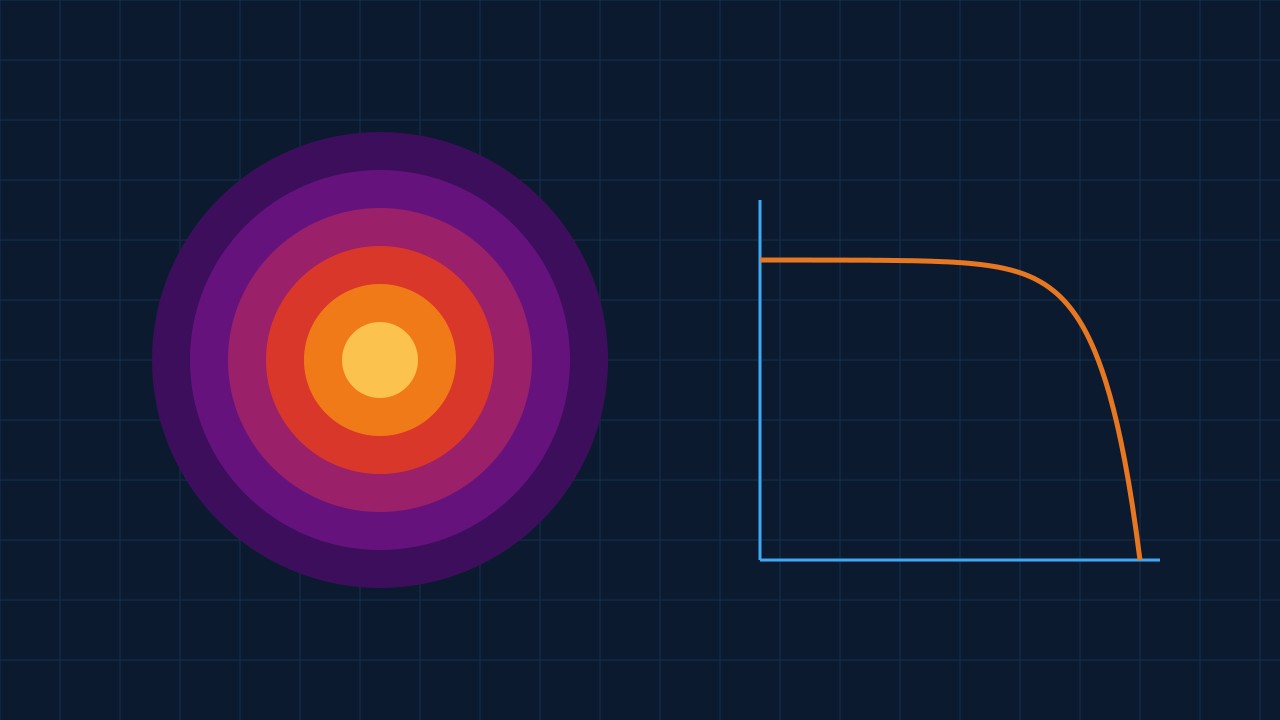
TE-108: Thermography, Batteries, Renewables and Specialty Instruments. Learn infrared cameras and delta-T classification, battery internal resistance and torque, PV I-V curve tracers and irradiance meters, EV charger checkers, sound level meters, and a capstone on building a substation outage test kit. About 1 hour, self-paced. Includes illustrated lessons, interactive activities and a 30-question quiz (80% to pass).

Read the lesson book, then pass the 30-question quiz with 80% (24 of 30) or better; you can retake the quiz as many times as you need until you pass.

Class 8 of 8 in Introduction to Electrical Test Equipment (TE-101 to TE-108). Recommended order: TE-101 through TE-108; classes may be taken in any order. This series complements the existing overview course Test Equipment 101.

TE-107: Relay Test Sets, Grounding and Power Quality Instruments. Learn three-phase relay test sets, fall-of-potential ground resistance testing, clamp-on ground testers, ground bond checks, and power quality meters with flex CTs, including load studies and harmonics. About 1 hour, self-paced. Includes illustrated lessons, interactive activities and a 30-question quiz (80% to pass).

Read the lesson book, then pass the 30-question quiz with 80% (24 of 30) or better; you can retake the quiz as many times as you need until you pass.

Class 7 of 8 in Introduction to Electrical Test Equipment (TE-101 to TE-108). Recommended order: TE-101 through TE-108; classes may be taken in any order. This series complements the existing overview course Test Equipment 101.

TE-106: Circuit Breaker and Trip Unit Test Equipment. Learn primary injection test sets, manufacturer secondary-injection kits, reading time-current curves, as-found and as-left settings, ground fault relay testing, network protector relays and zone selective interlocking. About 1 hour, self-paced. Includes illustrated lessons, interactive activities and a 30-question quiz (80% to pass).

Read the lesson book, then pass the 30-question quiz with 80% (24 of 30) or better; you can retake the quiz as many times as you need until you pass.

Class 6 of 8 in Introduction to Electrical Test Equipment (TE-101 to TE-108). Recommended order: TE-101 through TE-108; classes may be taken in any order. This series complements the existing overview course Test Equipment 101.

TE-103: High-Potential, VLF, Tan Delta and Partial Discharge Testing. Learn the equipment used to test medium-voltage cable: DC hipot, VLF withstand, tan delta and partial discharge. You will learn what each test reveals, the correct test sequence, and the safety controls for high-voltage testing. About 1 hour, self-paced. Includes illustrated lessons, interactive activities and a 30-question quiz (80% to pass).

Read the lesson book, then pass the 30-question quiz with 80% (24 of 30) or better; you can retake the quiz as many times as you need until you pass.

Class 3 of 8 in Introduction to Electrical Test Equipment (TE-101 to TE-108, plus the TE-109 comprehensive review). Recommended order: TE-101 through TE-109; classes may be taken in any order. This series complements the existing overview course Test Equipment 101.

TE-105: Transformer and CT Test Equipment. Learn transformer turns ratio testers, power factor test sets (UST and GST), leakage reactance and SFRA, CT test sets for excitation, ratio, polarity and burden, and the variable voltage regulator. About 1 hour, self-paced. Includes illustrated lessons, interactive activities and a 30-question quiz (80% to pass).

Read the lesson book, then pass the 30-question quiz with 80% (24 of 30) or better; you can retake the quiz as many times as you need until you pass.

Class 5 of 8 in Introduction to Electrical Test Equipment (TE-101 to TE-108). Recommended order: TE-101 through TE-108; classes may be taken in any order. This series complements the existing overview course Test Equipment 101.

TE-104: Low-Resistance, Winding Resistance and Torque Tools. Learn low-resistance ohmmeters (DLROs) and the Kelvin method, forward/reverse averaging and like-connection comparison, winding resistance testers and their discharge hazard, LCR meters, and torque tools and their calibration. About 1 hour, self-paced. Includes illustrated lessons, interactive activities and a 30-question quiz (80% to pass).
Read the lesson book, then pass the 30-question quiz with 80% (24 of 30) or better; you can retake the quiz as many times as you need until you pass.

Class 4 of 8 in Introduction to Electrical Test Equipment (TE-101 to TE-108, plus the TE-109 comprehensive review). Recommended order: TE-101 through TE-109; classes may be taken in any order. This series complements the existing overview course Test Equipment 101.

TE-102: Insulation Resistance Testers (Megohmmeters). Learn insulation resistance testers (megohmmeters): how an IR test works, choosing the test voltage, connections and the guard, spot test, PI and DAR, temperature correction, discharge and typical assets. About 1 hour, self-paced. Includes illustrated lessons, interactive activities and a 30-question quiz (80% to pass).

Read the lesson book, then pass the 30-question quiz with 80% (24 of 30) or better; you can retake the quiz as many times as you need until you pass.

Class 2 of 8 in Introduction to Electrical Test Equipment (TE-101 to TE-108, plus the TE-109 comprehensive review). Recommended order: TE-101 through TE-109; classes may be taken in any order. This series complements the existing overview course Test Equipment 101.

TE-101: Test Equipment Fundamentals, Safety and Basic Meters. Learn the basic meters every technician carries: calibration and inspection, CAT ratings, the DMM, TRMS clamp meters, proving units and live-dead-live, medium-voltage detectors and phasing testers, phase rotation meters and recording temperature and humidity. About 1 hour, self-paced. Includes illustrated lessons, interactive activities and a 30-question quiz (80% to pass).

Read the lesson book, then pass the 30-question quiz with 80% (24 of 30) or better; you can retake the quiz as many times as you need until you pass.

Class 1 of 8 in Introduction to Electrical Test Equipment (TE-101 to TE-108, plus the TE-109 comprehensive review). Recommended order: TE-101 through TE-109; classes may be taken in any order. This series complements the existing overview course Test Equipment 101.